
Disclaimer: Some links are Amazon affiliate links. Purchases made through them help support the recipe testing, photos, and content I share — thank you!
Summary
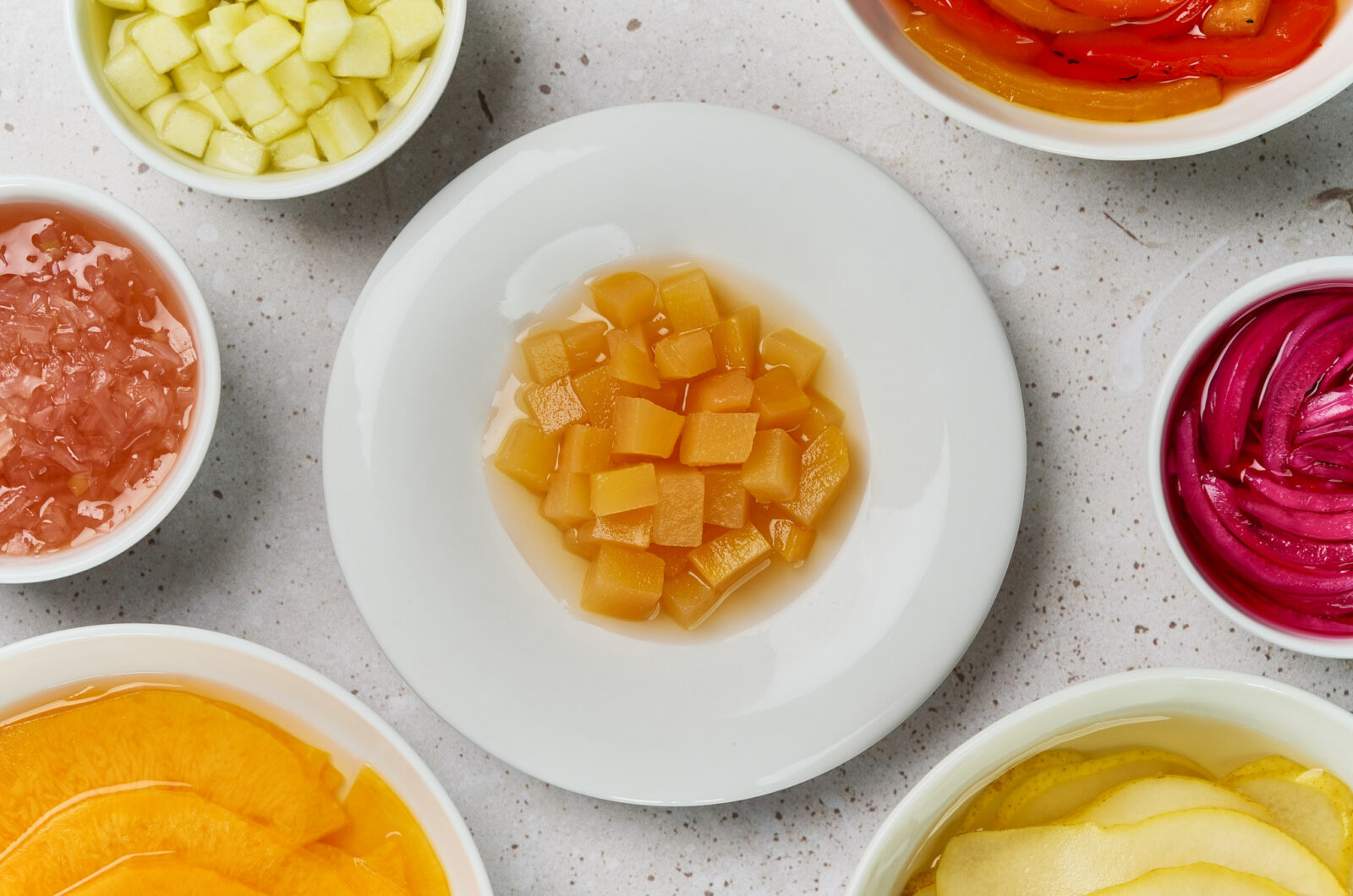
Pickled Rutabaga – the bitter root that became a sweet surprise.
Rutabaga gets a bad rap for being bitter and boring. This recipe fixes that. The secret is flooding the rutabaga with enough pickling liquid to pull out those harsh bitter notes while the low-and-slow cook transforms the texture from woody to tender. What emerges are sweet, tangy little cubes with a subtle earthiness that works beautifully on salads, grain bowls, or anywhere you want an unexpected pop of flavor and texture.
4
15
minutes1
hour35
kcal15
minutes1
hour30
minutesPickled Rutabaga – the bitter root that became a sweet surprise.
Ingredients
150 g 1 medium rutabaga, peeled and top removed
184 g ¾ cup white balsamic vinegar
74 g ⅓ cup sugar or allulose
74 g ⅓ cup water
18 g 1¼ Tbsp kosher salt
Equipment
Directions
Before We Start
Why So Much Liquid? This isn’t a typo. Rutabaga has naturally bitter compounds that need somewhere to go. The generous amount of pickling liquid draws out that bitterness, transforming the flavor from harsh to deliciously sweet-tangy. Skimp on the liquid and you’ll taste the difference.
Slicing Consistency: A mandoline set to 3/16 inch makes quick work of this. We tend to throw out some when making these so we get perfectly square ones. Don’t add too much rutabaga.
Keto-Friendly Option: Swap the sugar for allulose 1:1.5. The rutabaga will taste nearly identical with a fraction of the carbs.Make the Pickling Liquid
For the pickling liquid:
184 g | ¾ cup white balsamic vinegar
74 g | ⅓ cup sugar or allulose
74 g | ⅓ cup water
18 g | 1¼ Tbsp kosher salt
In a large bowl, combine the white balsamic vinegar, sugar (or allulose), water, and salt. Whisk vigorously for 3-4 minutes until the sugar and salt are fully dissolved. Set aside. You can reserve this in the fridge for a long time and just use when you need to pickle something.
Alternatively, make a double or triple batch of the brine and store it in a sealed container in the fridge for up to 3 months.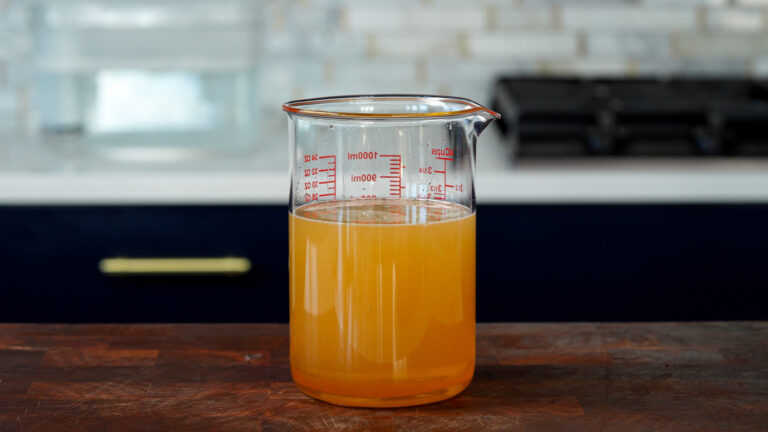
Prep the Rutabaga
Peel the rutabaga and remove the top. Slice into 3/16 inch wide planks using a mandoline or sharp knife.
Cook (Sous Vide Method)
Place the rutabaga strips and all of the pickling liquid into a vacuum bag. Seal the bag and cook sous vide at 200°F (93°C) for 1 hour.
Oven Alternative: Place the rutabaga strips and pickling liquid in a large oven-safe pot with a tight-fitting lid. Cook at 200°F (93°C) for 1 hour. Check halfway through and add more liquid if needed to keep the rutabaga submerged. The aim is to have the same amount of liquid as what you started to. We are not trying to concentrate the liquid, so you may need add more at the end as well.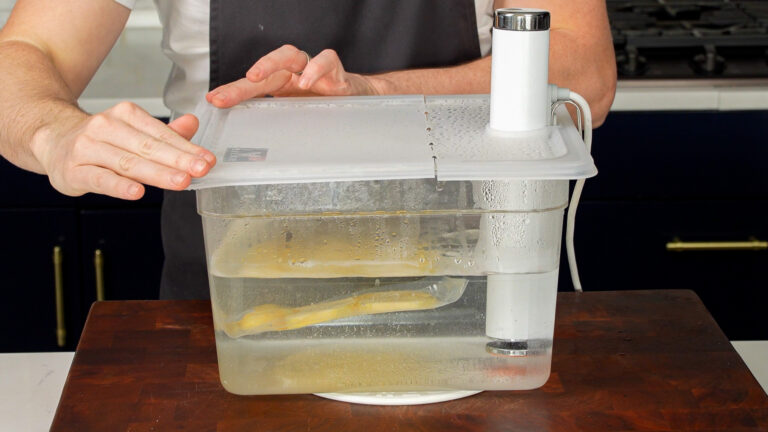
Rapid Chill
Prepare an ice bath in a large bowl. Transfer the sealed bag (or pot) to the ice bath and chill until cooled, about 15 minutes.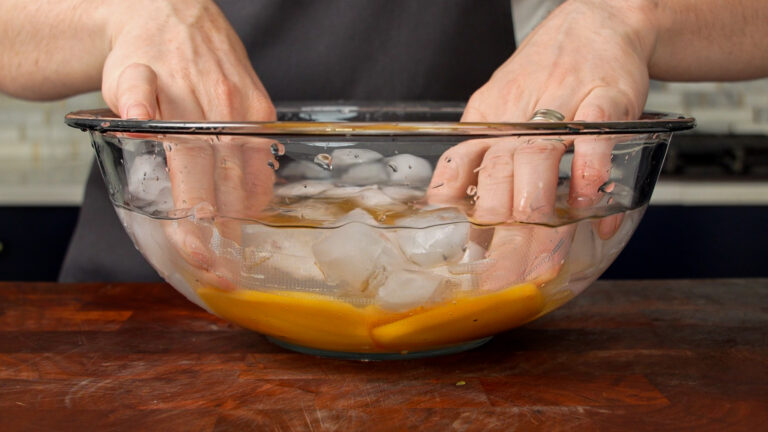
Cut
Remove the rutabaga from the bag or pot, reserving the pickling liquid. Cut the strips into 3/16 inch matchsticks, then dice into small cubes.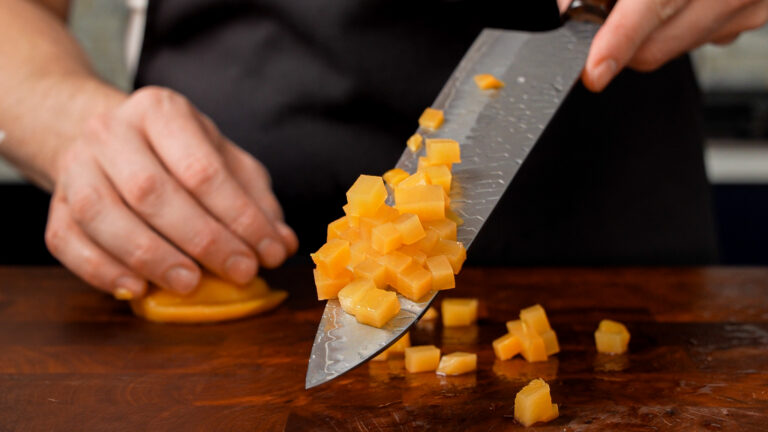
Jar and Store
Transfer the rutabaga cubes to a jar and pour the reserved pickling liquid over them until fully submerged. Seal and refrigerate. Ready to use immediately but flavor improves overnight.
Try them with grain bowls, charcuterie boards, salads, smoked salmon, or braised/fatty meats (pork belly, short ribs).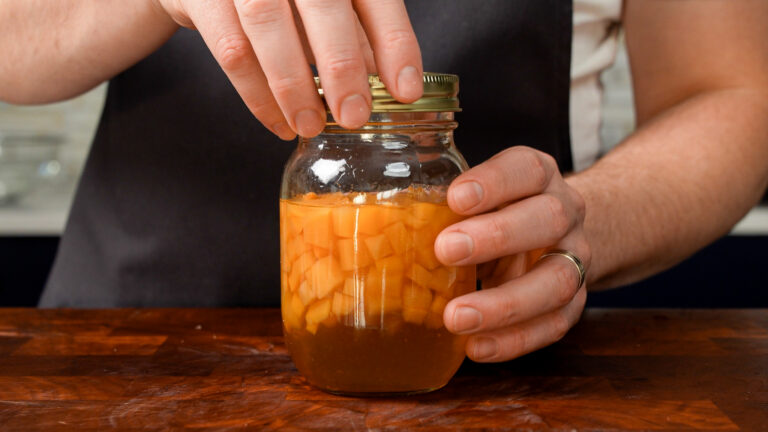
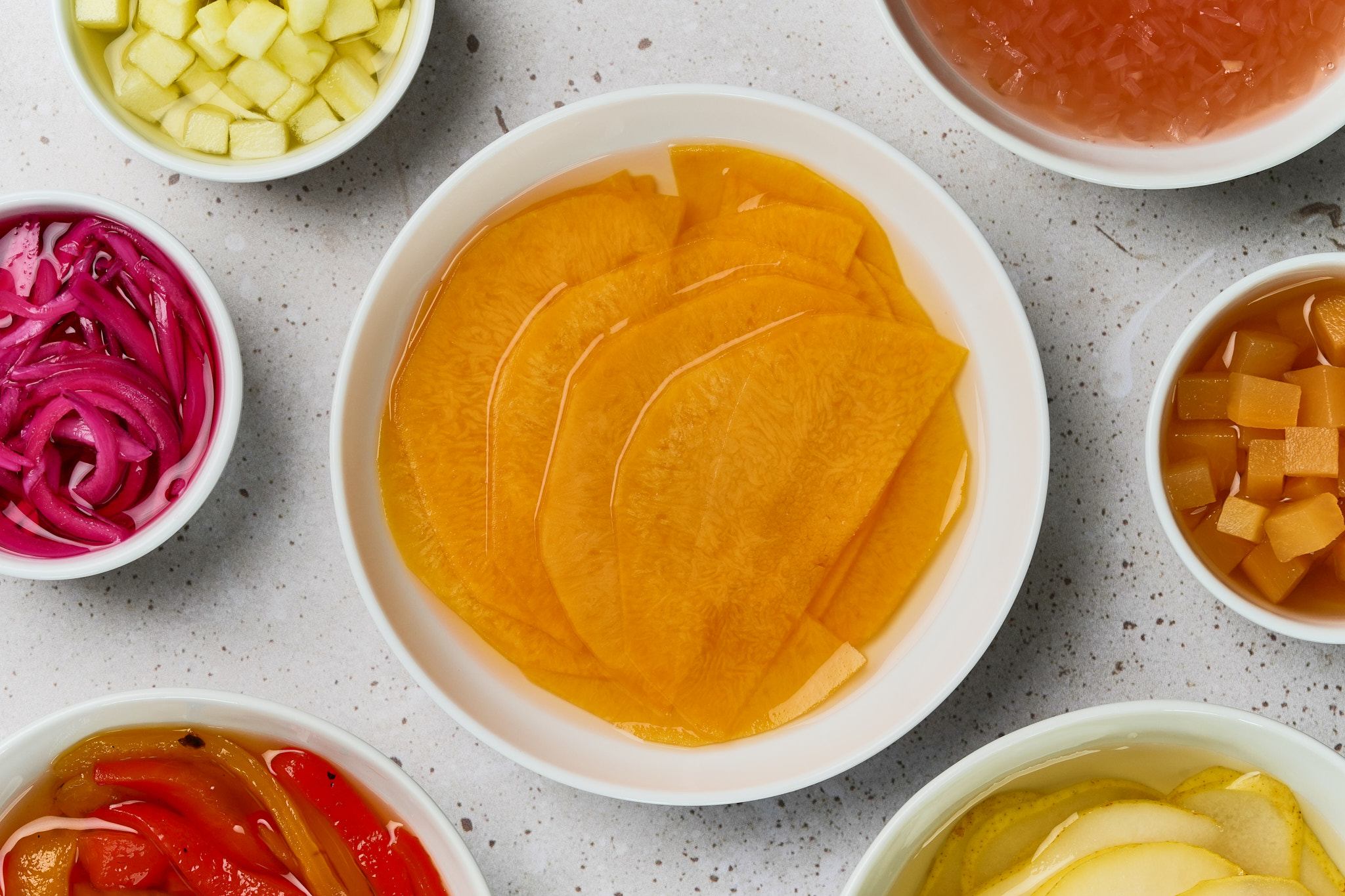
You May Like These Recipes Too
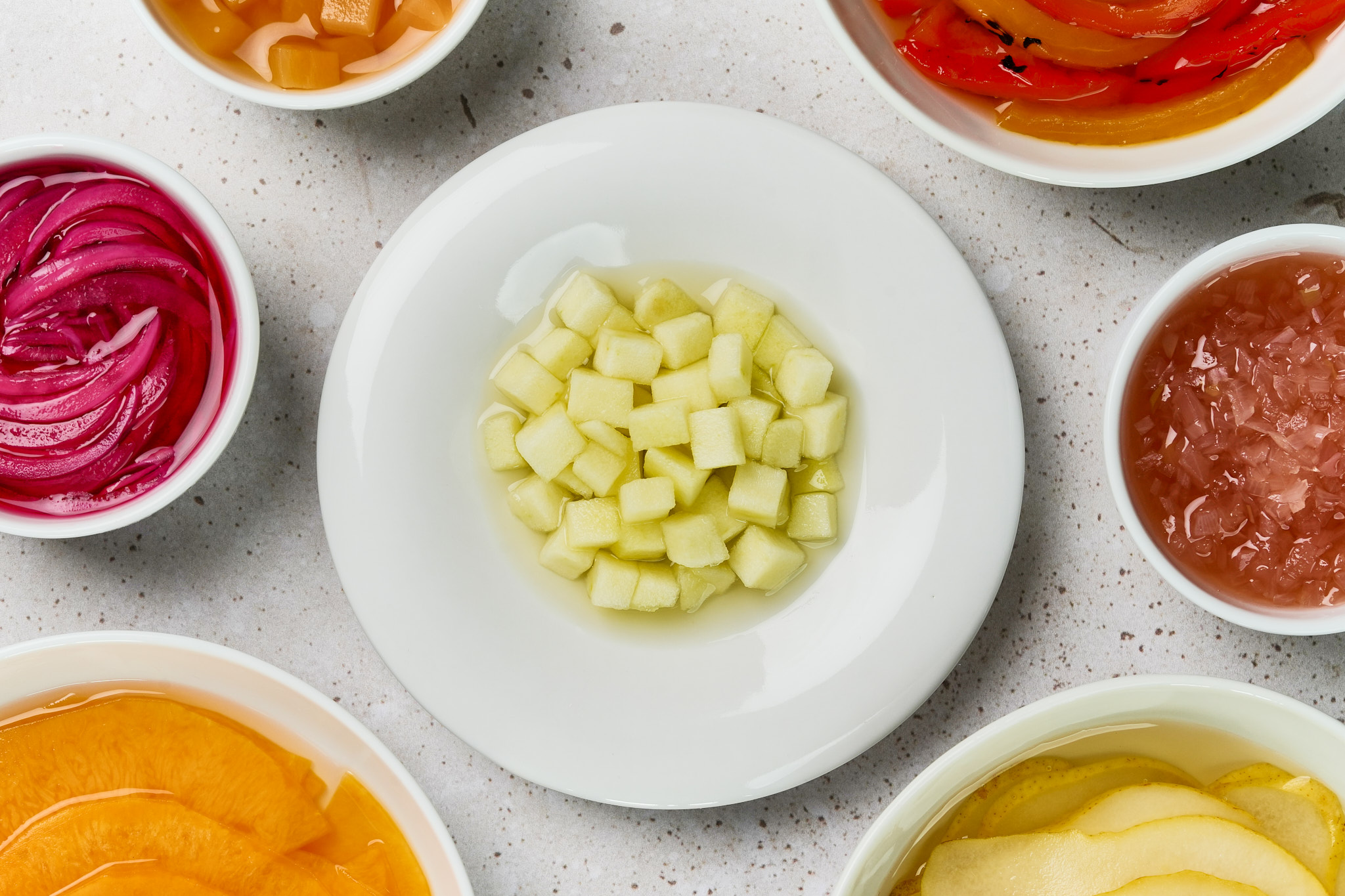
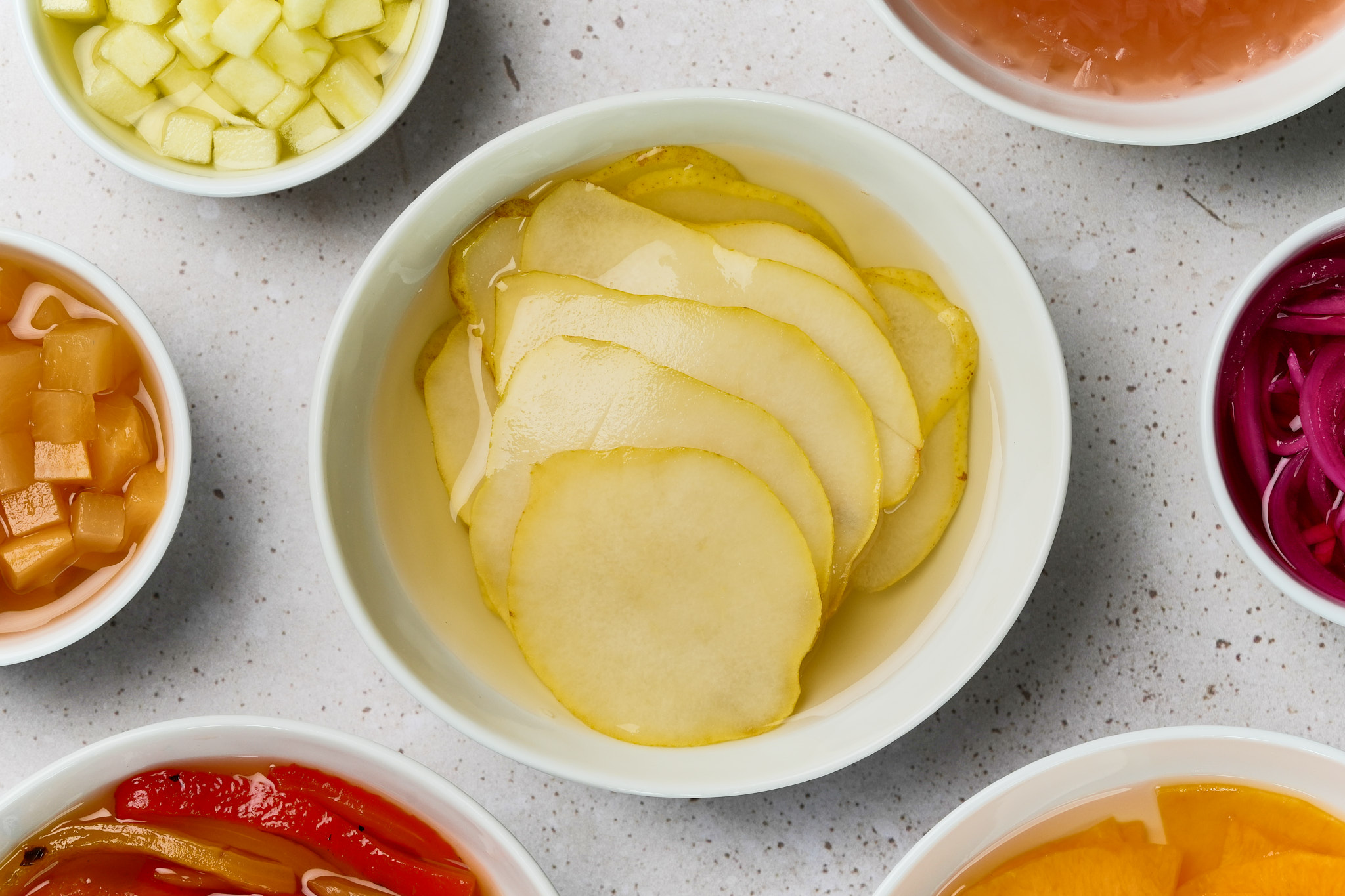
Additional Details About This Recipe
How long do these keep?
Up to 3-4 weeks refrigerated. Keep the rutabaga submerged in the brine and use a clean utensil.
Why sous vide instead of just pickling raw?
Raw rutabaga is woody and unpleasantly bitter. The low-temperature cook softens the texture while the extended time in the brine draws out the bitter compounds. The result is tender, sweet, and tangy.
Can I use a different root vegetable?
Turnips work with a similar method but need less cooking time (45 minutes). Parsnips would also work well.
What can I use these on?
Salads, grain bowls, tacos, alongside roasted meats, on a cheese board, or as a bright contrast to rich dishes.
The rutabaga still tastes bitter – what happened?
Not enough pickling liquid. The ratio matters here. Make sure you’re using at least the full 350g of brine for every 150g of rutabaga. You can fix it by adding more of the pickling liquid to future dilute it and let is sit overnight before tasting again.
Nutritional Facts (per ¼ recipe, approximately ¼ cup)
(Values are estimates. Using allulose reduces carbs and sugars significantly.)
- Calories: 35 kcal
- Protein: 0.5 g
- Fat: 0 g
- Carbohydrates: 8 g
- Sugars: 6 g
- Fiber: 1 g
- Sodium: 580 mg