
Disclaimer: Some links are Amazon affiliate links. Purchases made through them help support the recipe testing, photos, and content I share — thank you!
Summary
Crunchy, tangy, and surprisingly addictive.
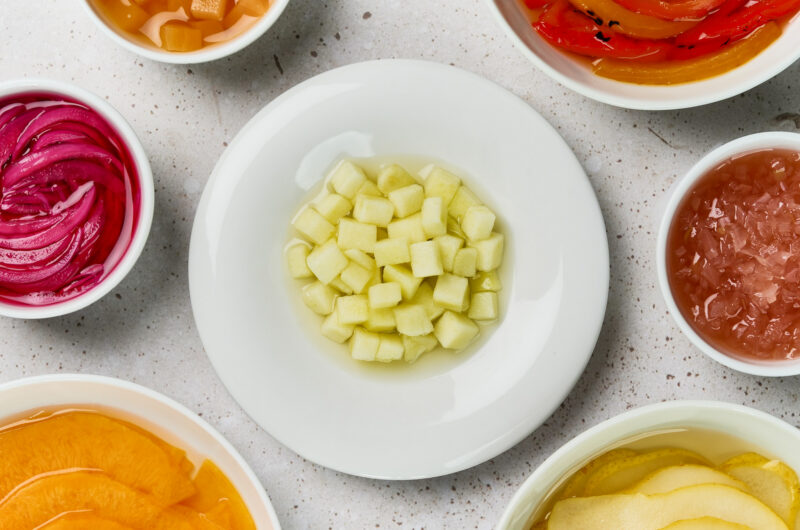
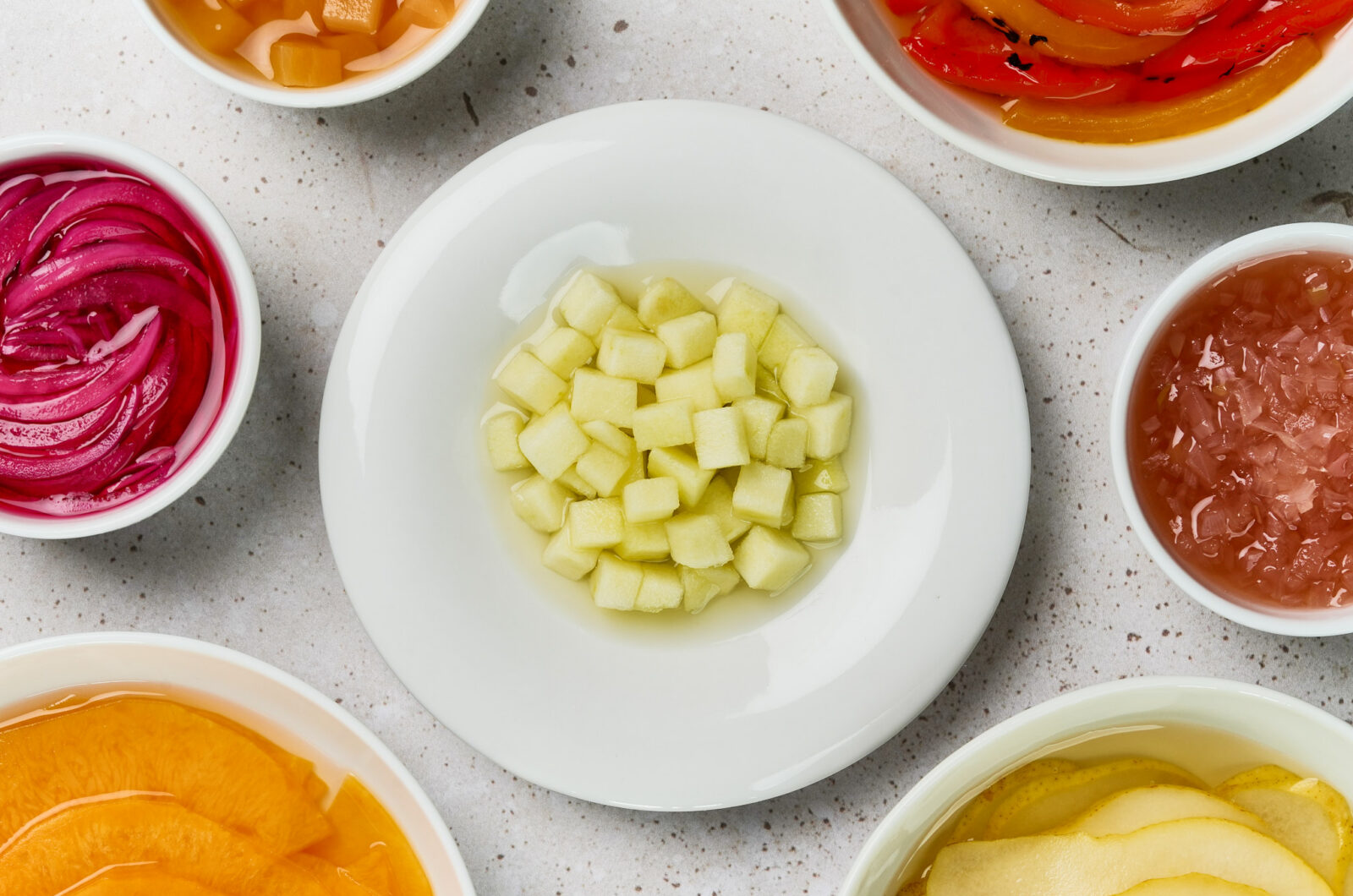
These pickled apples walk the line between sweet, sour, and savory in a way that makes them dangerously snackable straight from the jar. The white balsamic brine keeps them bright and clean-tasting, while the fresh apple juice rounds out the acidity and reinforces that green apple flavor. Use them on a cheese board, chopped into a fall salad, tucked into a pork sandwich, or just eaten by the forkful when no one’s looking. They come together in minutes and get better over the next few days in the fridge.
4
cups15
minutes45
kcal24
hours24
hours15
minutesWhen fruit meets tangy, magic happens.
Ingredients
225 g ~2 cups sliced or cubed Granny Smith apple, about 2 apples
150 g ~⅔ cup fresh Granny Smith apple juice, about 1 apple juiced
79 g ~⅓ cup white balsamic vinegar
32 g 2½ Tbsp sugar or allulose (see Before We Start)
32 g 2 Tbsp water
7 g 1 tsp salt
Directions
Before We Start
Sugar vs. Allulose: Regular granulated sugar works perfectly and dissolves easily. Allulose is a good low-glycemic alternative that dissolves similarly and won’t crystallize in the fridge. The flavor is nearly identical — allulose is just slightly less sweet, so the tartness of the apples comes through a bit more. Use whichever fits your dietary preference. To substitute do 1:1.5 replacement.
White Balsamic Vinegar: Don’t substitute regular balsamic — it will turn the apples brown and muddy the flavor. White balsamic keeps everything bright and clean. If you can’t find it, champagne vinegar or white wine vinegar are acceptable substitutes, though the flavor will be sharper.Make the Pickling Liquid
For the pickling liquid:
150 g | ~⅔ cup fresh Granny Smith apple juice, about 1 apple juiced
79 g | ~⅓ cup white balsamic vinegar
32 g | 2½ Tbsp sugar (or allulose)
32 g | 2 Tbsp water
7 g | 1 tsp salt
In a large bowl, combine the white balsamic vinegar, sugar (or allulose), water, and salt. Whisk vigorously for 3–4 minutes until the sugar and salt are fully dissolved.
The liquid should not have salt or sugar granules remaining at the bottom.
Batch the Brine: You can make the pickling liquid in larger amounts to use when you need it. It also stores in a sealed container in the fridge for up to 3 months. It works great for quick-pickling onions, cucumbers, radishes, and many other vegetable you want to brighten up.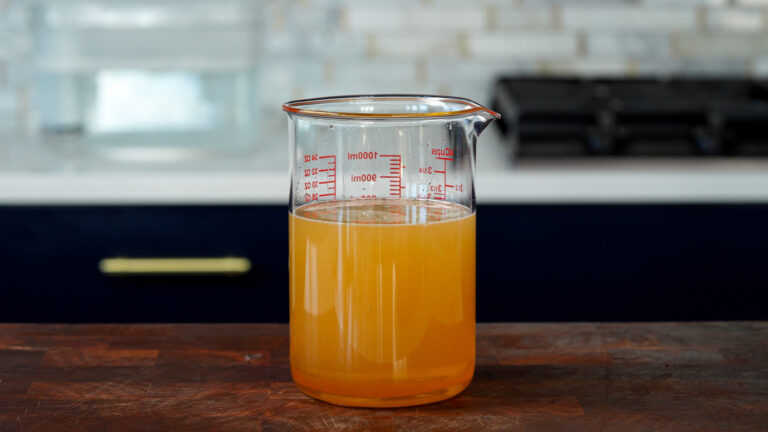
Juice the Apple
Cut one Granny Smith apple into chunks small enough to fit in your juicer (no need to peel or core — the juicer will handle it). Juice the apple. Spoon off and discard any foam that develops on top. You should have about 150 g (⅔ cup) of juice.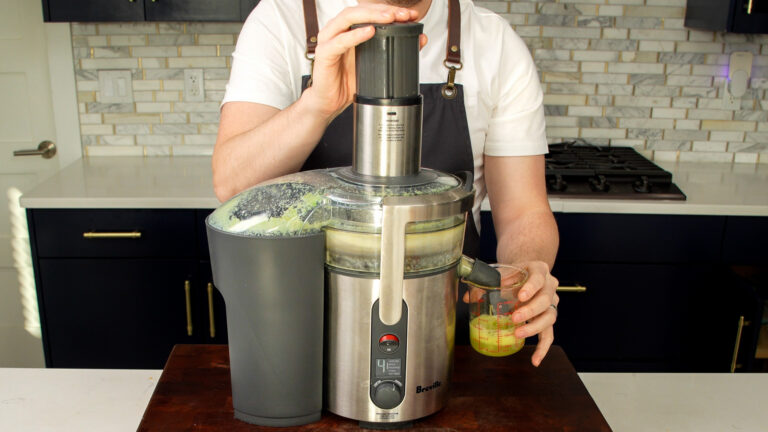
Slice or Cube the Apples
Cut the remaining two apples into quarters, slicing around the core to remove it. Then either slice thinly to about ⅛-inch thickness (a mandoline helps here) or cube into ¼-inch pieces. Work quickly — the apples will start to oxidize, but the acidic brine will stop the browning once they’re submerged.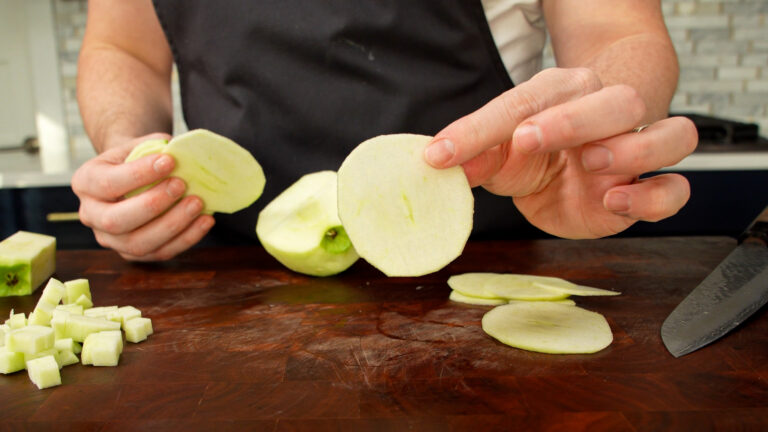
Combine
Pour 150 g of the pickling liquid and 150 g of the fresh apple juice into a mason jar or airtight container. Stir briefly to combine. Add the raw apple slices or cubes, pressing them down gently to make sure they’re fully submerged in the liquid. If needed, add a bit more pickling liquid to cover.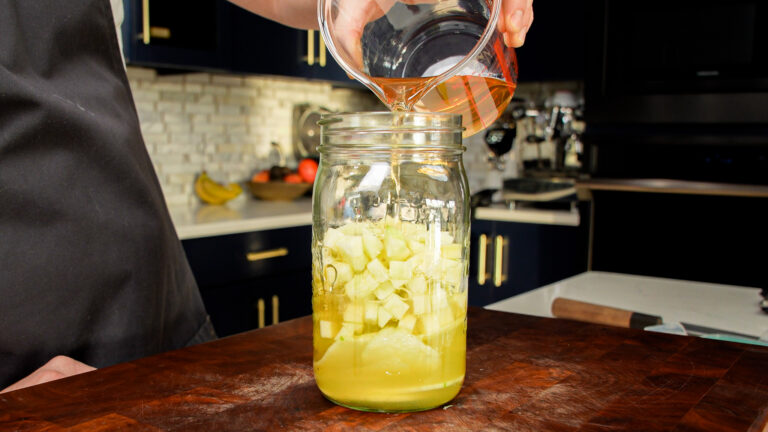
Pickle
Seal the jar and refrigerate for at least 24 hours before eating. The apples will be lightly pickled and crunchy at 24 hours. For a more intense pickle flavor, let them sit for 2–3 days. They’ll continue to develop flavor over the first week
NOTE: If you happen to have a vacuum chamber, you can compress the apples in an open container submerged in the liquid, then you can use it immediately and it improves the texture.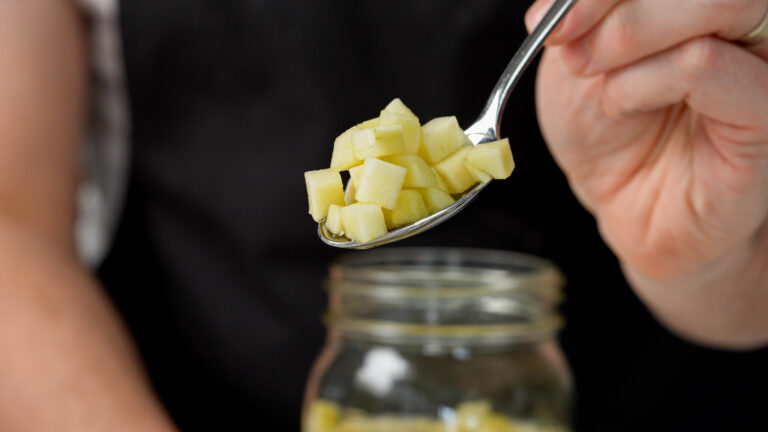
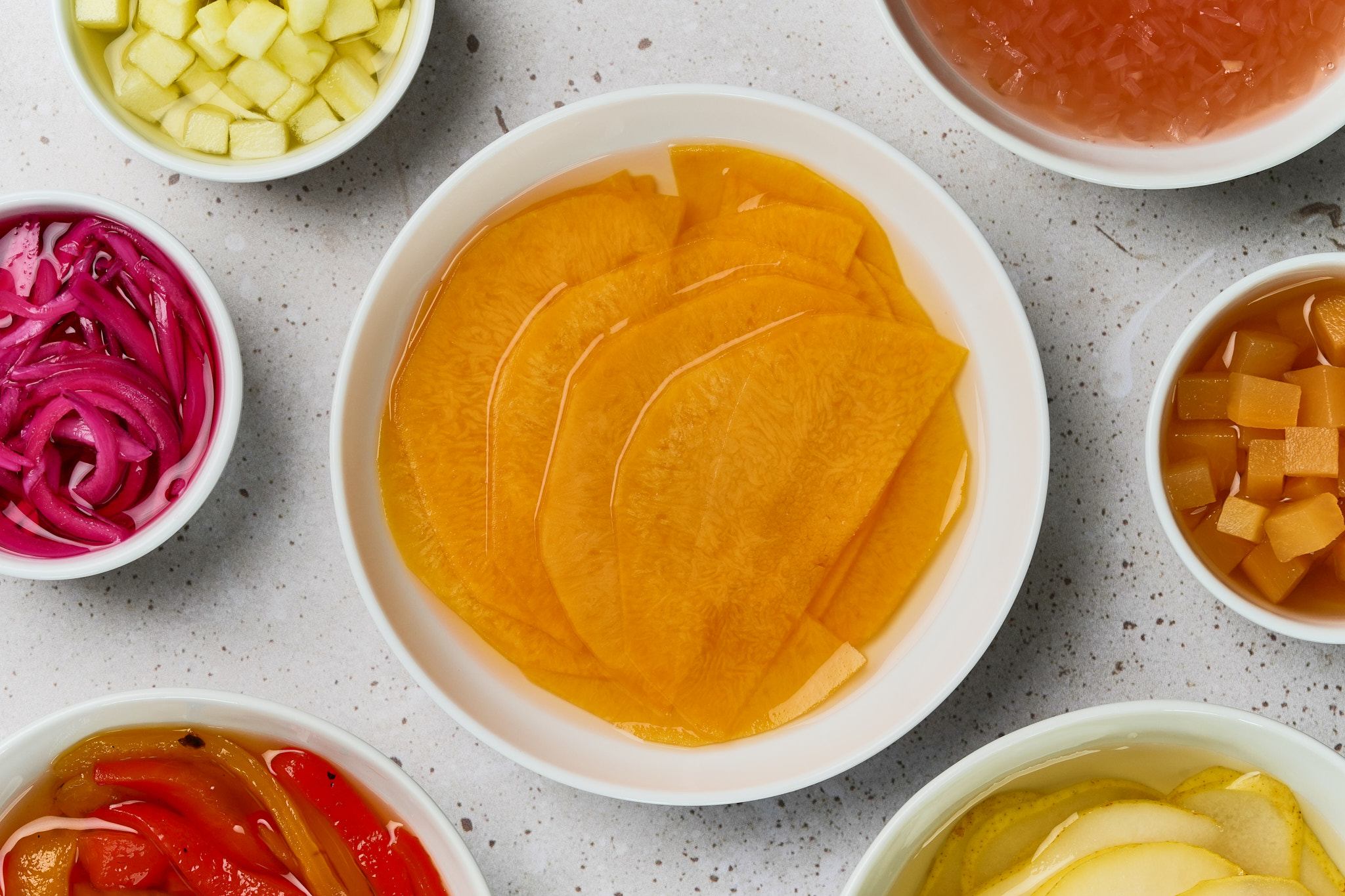
You May Like These Recipes Too
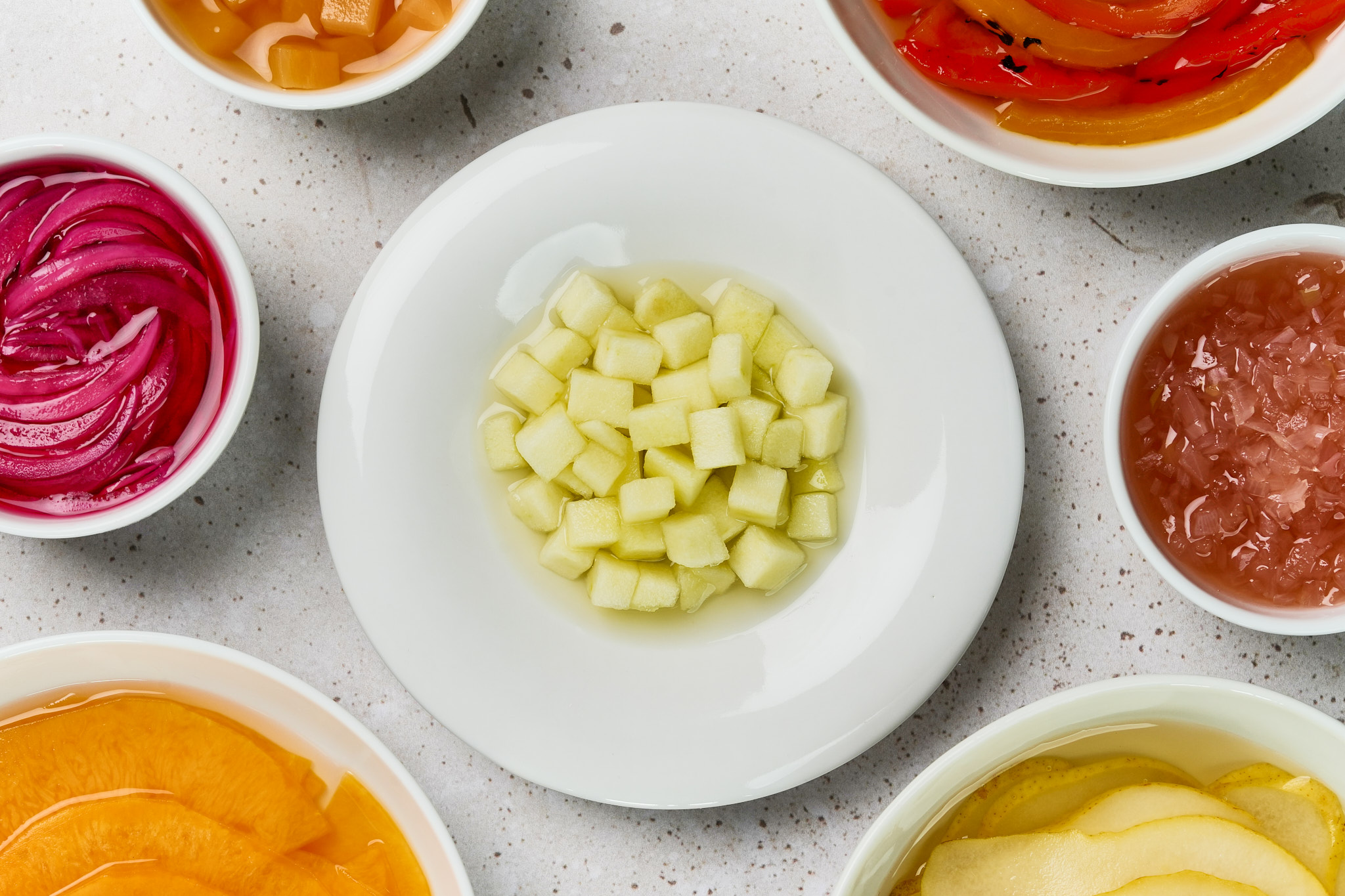
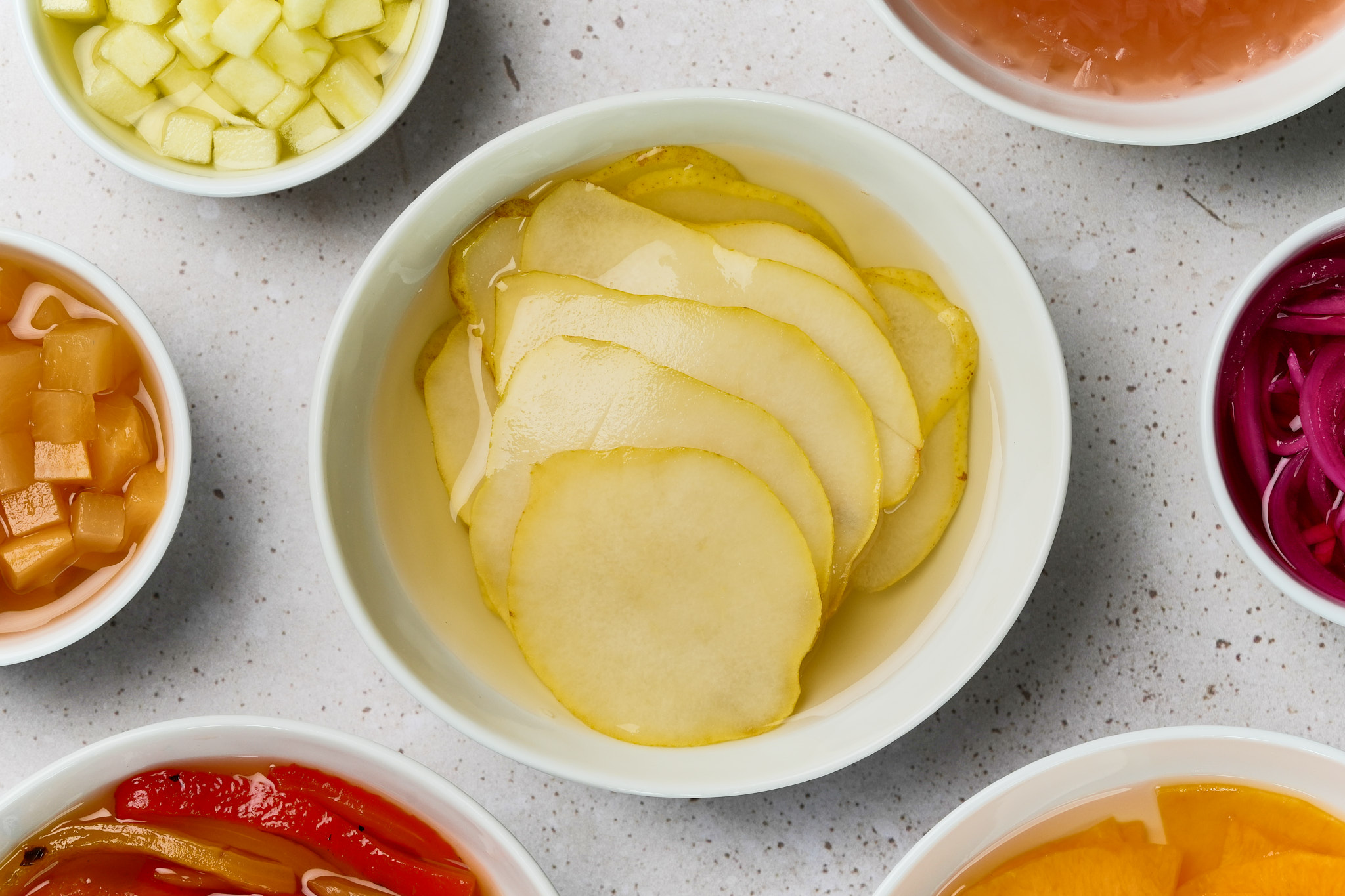
Additional Details About This Recipe
How long do they last?
Stored fully submerged in brine in a sealed container, the pickled apples will keep in the fridge for 2–3 weeks. They’ll soften slightly over time but remain tasty.
Can I reuse the brine?
You can reuse it once for another batch of apples or quick-pickled vegetables, but the flavor will be diluted. After that, discard it.
What can I use these on?
Cheese boards (especially with sharp cheddar or brie), grain bowls, fall salads with arugula and walnuts, pork sandwiches, tacos, or just straight out of the jar as a snack.
Can I use a different apple variety?
Granny Smith is ideal because it’s firm, tart, and holds up well to pickling. Honeycrisp or Pink Lady will work but are sweeter and softer. Avoid Red Delicious or Fuji — they’ll turn mushy.
Do I need a juicer?
A juicer gives you the cleanest, freshest juice. If you don’t have one, you can blend apple chunks with a splash of water and strain through a fine mesh sieve or cheesecloth. Store-bought unfiltered apple juice is a last resort — it works, but the flavor won’t be as bright.
Can I skip the fresh apple juice?
You can, but the pickle will be more one-note and aggressively acidic. The juice softens the brine and ties everything together. It’s worth the extra step.
Nutritional Facts (per serving, ~75 g / about ⅓ cup)
(Values are estimates. Using allulose reduces carbs and sugars significantly.)
- Calories: ~45 kcal
- Protein: ~0 g Fat: ~0 g
- Carbohydrates: ~11 g
- Sugars: ~9 g
- Fiber: ~1 g
- Sodium: ~280 mg