

Disclaimer: Some links are Amazon affiliate links. Purchases made through them help support the recipe testing, photos, and content I share — thank you!
Summary
A sweet and tangy pickling liquid used by the best restaurants in the world.
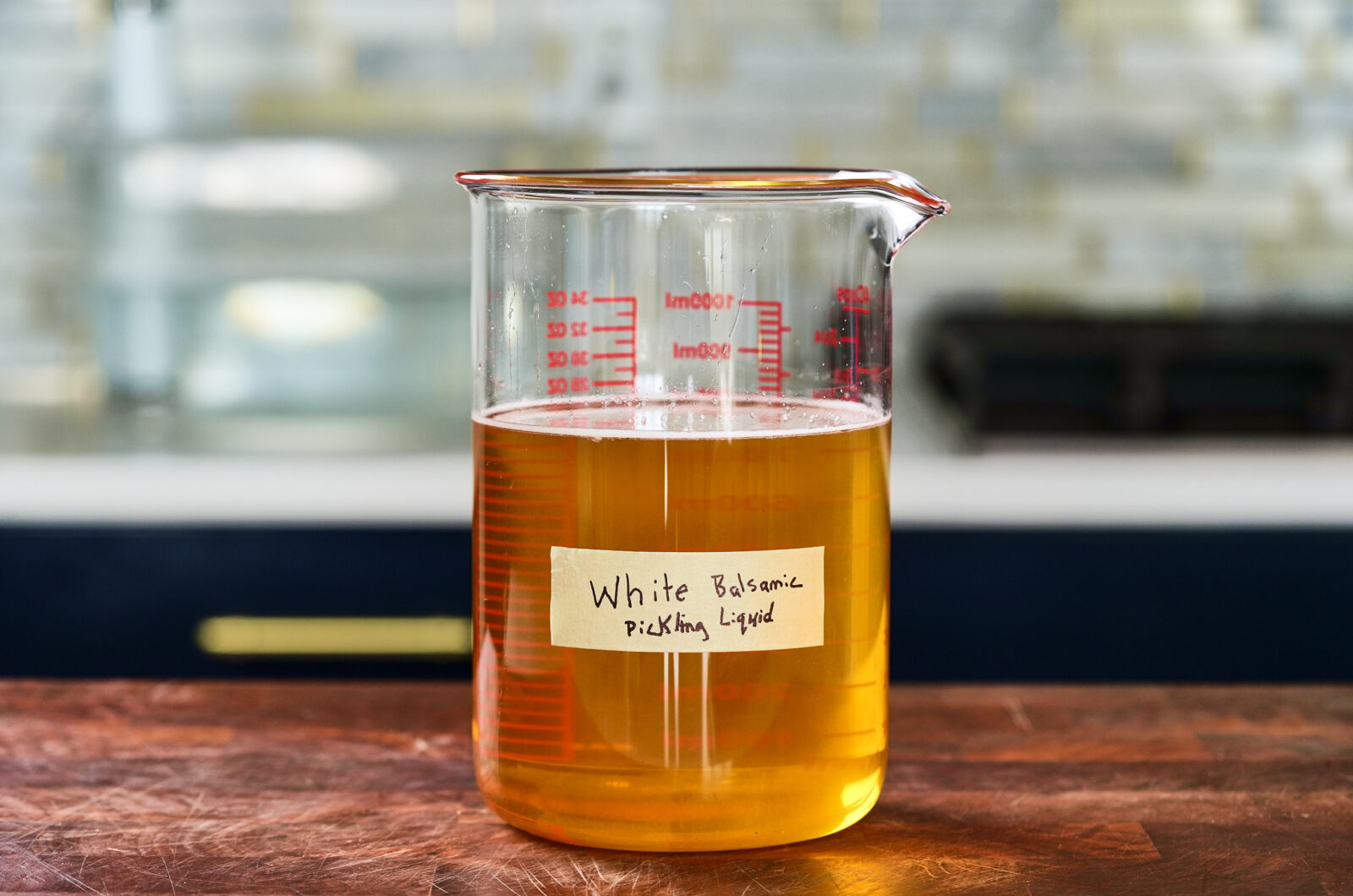
This white balsamic pickling liquid is a game-changer for your pickling projects. The brightness and complexity of white balsamic vinegar paired with sugar or allulose creates a perfectly balanced pickling brine that will make eating your fruits and vegetables something you crave. This recipe delivers a refined flavor profile that’s both unique and versatile. It’s easy to make and stores well, making it a must-have for any kitchen.
4
cups5
minutes10
kcal5
minutesA sweet and tangy pickling liquid used by the best restaurants in the world.
Ingredients
500 g 2 cups white balsamic vinegar
200 g 1 cup sugar or allulose
200 g 7/8 cup water
50 g 3.5 tbsp salt
Directions
Before We Start
Sugar Alternatives: You can use allulose instead of sugar for a refined sugar free option. Both work well in this recipe. If using Allulose, increase the amount from 200g sugar to 300g of allulose. It will taste great and be sweet, but it doesn’t achieve the same level of sweetness as with it does with sugar.
Storage Tip: This pickling liquid can be refrigerated for up to 2–4 weeks. While refrigeration is not required immediately after preparation, it’s a good rule for storage to maintain freshness.Combine Ingredients
In a large mixing bowl, add the white balsamic vinegar, sugar or allulose, water, and salt.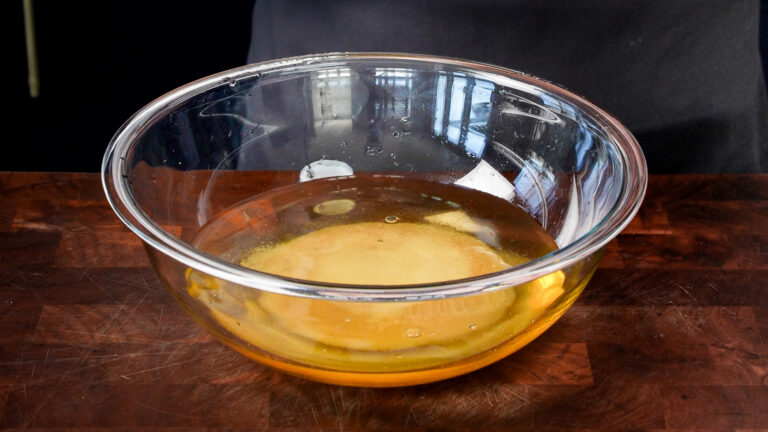
Whisk Until Dissolved
Whisk the mixture thoroughly until the sugar and salt are completely dissolved.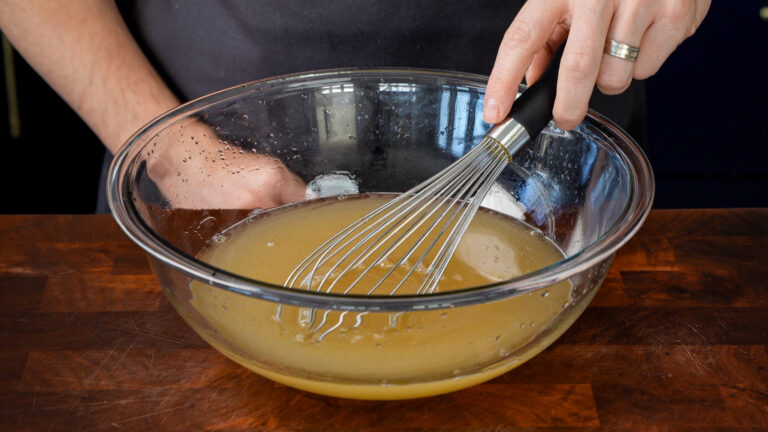
Use or Store
Use the pickling liquid immediately for your pickling projects, or transfer it to an airtight container and refrigerate for up to 2–4 weeks.
There are a variety of techniques for pickling you can use with this (or any other pickling liquid) as the base:
Just combine – Just cut the fruit and cover with the pickling liquid. Just let sit in the fridge for a few hours to let time do its thing. Optionally, use a vacuum chamber or whipping siphon with an N2O cartridge to compress and infuse the flavors.
Add juice – Cut your fruit or veg, add some juice to add color or flavor which can also dilute the sharpness of the pickle. Apples are a good example.
Sous vide – For firm vegetables you can soften them by bagging the liquid and cut vegetables and sous vide until tender. Then shock in an ice bath and reserve in the liquid.
Steam cook – You can introduce steam to your oven and gently cook vegetables then add them in a jar with the liquid.
Simmer then pour – You can simmer the liquid and then pour the hot liquid over the vegetables to help cook them slightly. Optionally shock the jar in an ice bath to preserve color.
Make a gel – You can blend the liquid with xanthan gum to make a glaze/gel that you can coat fruits and vegetables with.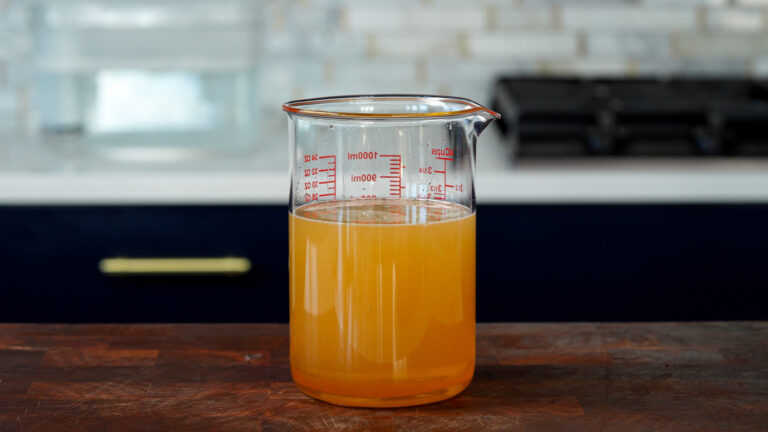
You May Like These Recipes Too
Additional Details About This Recipe
Can I use a different vinegar?
Yes, but the flavor profile will change. White balsamic vinegar offers a subtle sweetness that is unique to this recipe.
What can I pickle with this brine?
This brine works well with vegetables like cucumbers, onions, carrots, and even fruits like peaches or pears.
Do I need to heat the liquid?
No, this recipe is designed to be a no-heat method. However, you can warm the liquid slightly if you prefer faster dissolution of sugar and salt.
Can I make a smaller batch?
Absolutely. Just halve or quarter the ingredients to suit your needs.
Is this safe for canning?
This recipe is not designed for canning. It’s intended for quick pickling and refrigeration.
Nutritional Facts (per 1 tbsp serving)
Values are estimates based on USDA data for white balsamic vinegar, sugar, and salt.
- Calories: 10 kcal
- Sodium: 120 mg
- Carbohydrates: 2 g
- Sugars: 2 g (or 0 g with allulose)